
Category: Que Paso?
What’s new in the garden?
Reminder: Water Conservation at Festival Beach Community Garden
Greetings Festival Beach gardeners!
Today we received our water bill information for the three months from mid-January through mid-April. Clearly the good rains this year have been helpful so far, and our water usage has been well below average. We have now completed the first six months of our “water year” for SFC billing purposes, and if we can all work hard to use wisely (and not waste) water this summer, we stand a reasonable chance of not owing extra funds to SFC at the end of the year.
Please remember watering rule Number 1: you must be present and attending when your water spigot is on! And make sure the spigot is off when you leave your plot.
Other critically important water-saving practices include mulching, weeding, and learning good watering practices, such as occasional deep watering is far more water-efficient and beneficial to plants than frequent shallow watering.
Also, if you are watering anything in a common area, please make sure that you are following a known schedule in consultation with your stewardship team.
Enjoy the great weather and happy gardening!
Thanks,
Will Dibrell
FBCG Treasurer
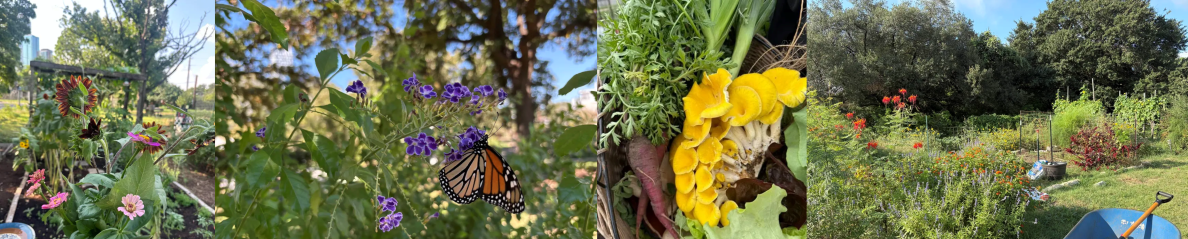
Gotta Love Spring at Festival Beach Community Gardens – April 25, 2015

Education: Managing Pets and Invasives-Q&A from a Panel Discussion April 20, 2015 at SFC
- What can you recommend for controlling Bermuda grass at community gardens?
Ila: It’s very hard to manage. It grows in sunny spots. You don’t want it in your garden or paths. It can take over if left alone. The only way to get it out is to dig it up. Tilling is a bad idea because it can break it up and cause even more growth. You can also take 5-6 sheets of newspaper, wet it down, and put it on top of the Bermuda grass. This won’t kill it, but it slows it down. Once dug up, its okay to go in a compost pile if it will heat up hot enough to destroy it.
Kellyn: Creating barriers (for example, cardboard) helps and landscape fabric can help but once it breaks through, you have to replace the fabric.
Dwight: You just have to dig it out. Take a cheap steak knife and dig down about 4” to uproot it completely. Vinegar can scorch and halt growth, but it will also scorch everything else growing, so it’s best to dig it up.
Zach: Commercial grade landscape fabric, unavailable in big box stores, is effective. It’s spun fabric, not woven. Fabric is okay to use in pathways, but it should also be covered with at least 3” of another material (mulch, granite, etc.) Stay on top of pulling it up. Late March/April is when it becomes active, so the best time to sheet mulch is then. It’s dormant in the Fall, so that’s not a good time to mulch over it.
Solarization may also be effective: this is when you take a large sheet of plastic (used or new) and spread it over a patch of Bermuda grass and seal it from air getting in. If you do this in the May/June timeframe, it will get hot enough to cook and kill the grass.
There’s an organic systemic herbicide that has recently become available as well (systemic means it gets into the plant’s “veins” and kills it from the inside), but it is still expensive and difficult to find. It’s also broad spectrum, so it will kill everything growing around it.
Ila: Solarization is hard to do effectively because it kills microorganisms in the soil and is problematic if it rains.
Kellyn: In her experience, solarization attracts fire antis and doesn’t kill Bermuda grass, but does kill other weeds.
Zach: Bottom line is that there is no magic bullet, and you need to try several different strategies to control Bermuda grass.
- What do you do about fire ants?
Kellyn: Molasses! It adds microbes to the soil and chases the ants off. Spinosoad is also a natural deterrent. Whatever you use, you should apply at least a week before you plan to work the soil.
Dwight: There’s a new product by Fertilome called “Come and get it” which ants will take to the nest and it will kill them (rather than just displacing them.) It’s very effective but not very affordable. You can also dig up the ants and remove them on your own.
Kellyn: Pouring hot water in the mound is effective if you dig down a bit first so that you’ll be sure to hit the queen.
Zach: Orange oil is cheap and effective.
Kellyn: Molasses is even cheaper.
Dwight and Kellyn: beneficial nematodes also work. But note that the soil must be kept moist or they will die. These should also be applied in the evening/night.
Zach: Boric acid and diatomaceous earth also work. If you dust the mound with these products, the ants will dissipate.
Kellyn: But those products will kill beneficial bugs as well. If you use molasses, it should be sprayed over ALL of the soil even if it’s not infested. It can also be sprayed on plants.
(Question from audience: how do you find the center of the ant mound?) Kellyn: Start digging and pay attention to where you see most of the ants coming from. That’s where the queen will be. Walk away for a while, then come back with hot water or other method to take them out.
- What tips do you have for controlling poison ivy?
Dwight: dig it up! Don’t wash whatever you are wearing when you dig it up. Just throw it out, or it will spread the oils to your other clothing. Also don’t burn the poison ivy!
Kellyn: Use an old bread bag or some other plastic bag over your hands/arms when you are digging it up, and throw them out when you’re done.
Zach: Poison ivy only grows in the shade. You have to dig it up. The best way to treat rashes on your skin is to use dish soap on it several times a day, that will dry it out. Definitely take care of poison ivy before it gets too hot outside, because your sweat will break the barrier of protection. The best way to get rid of poison ivy in his experience is with machinery.
Meredith (and audience): deer, chickens, and goats will also eat it. You can cut off the leafy parts and go back a few days later to apply citrus oil to kill the rest.
- Experiences with pests during different planting seasons?
Kellyn: A lot of snails during rainy seasons, but pests usually go with the plants (cabbage worms during cabbage season, for example.)
Dwight: Spring is when the harlequin bugs come out. Pull up cabbage-family plants to get rid of them.
Kellyn: Stink bugs are important to treat at first sight. Copper fungicide can kill them if they’re still small. So will insecticidal soap and spinosad.
Zach: Stink bugs are getting worse every year. His favorite way to treat is a homemade spray with crushed mint, garlic, and pepper. Also, artichokes are a great trap crop for stink bugs. They love artichokes. So do snails.
Ladybugs are good bugs and you can tell them apart from the bad because they are round and don’t have a pinched body.
http://bugguide.net/ is a good place to go to identify bugs
Snails are easy to trap with beer. Kellyn recommends putting some in a large yogurt container. Be sure to kill them/empty daily. The round shell snails are bad, but the conch/swirl shelled snails are okay. Generally, if you see both, you should get rid of all of them.
Kellyn: The best way to prevent squash vine borers is to bury a barrier about 1/2″ down around the plant base when the plant is small. A plastic or cardboard cylinder will work.
Ila: Squash vine borers are almost inevitable. Successive plantings can help you to get a lot of squash before it’s all killed by vine borers. One variety of squash that tolerates them well is zuchetta. It grows rampantly and is always putting down new roots, so it will continue to grow. It also takes up a lot of space.
Kellyn: Row covers also work. If you make it to hot weather (June/July) without the vine borers, they typically won’t be an issue. They hate the heat.
Zach: The most important thing to remember when treating pests is to treat the right pest. A great resource to help is the Travis County Master Gardener hotline. They are quick to respond, and they are funded based on how much work they get, so use them! They can be reached at 512.854.9600 (ask for the Master Gardener Desk). For more information about the Travis County Master Gardeners, visit : http://aggie-horticulture.tamu.edu/travis/master-gardeners/
- Any other preventatives to mention?
Zach: Diversity and sanitation are important. Plant diverse plants to invite beneficials. Stay away from mono-cropping. Grow as much flowering material as possible and get a good food chain going. Parsley, dill, and cilantro are great once they flower/go to seed, so let them go.
Kellyn: Build a bug hotel. Consider companion planting, which only really works when you have a lot of both companion plants. Sometimes it’s good to let another plant become a “sacrificial lamb” and become the haven for pests. Be careful when using pesticides, because they kill beneficials too.
Lemon balm, lemon grass, marigolds, and any citrus-smelling plants are helpful to deter pests. If you are using these around your other plants, one won’t do, you need to box the plant in to completely eradicate. This is usually impractical, but planting some deterrents will definitely help.
Dwight: The best defense is healthy plants. Pick tomatoes as soon as they start to blush.
Ila: Khakiweed is another weed that is almost worse than bermuda grass, get rid of it too!
Gardener to Gardener Reminder: FBCG Is a “Leave No Trace” Garden
Gardeners, please be reminded that Festival Beach Community Garden runs on a tight budget, to keep our plot prices reasonable. Festival Beach does not have trash pick up. Please plan on removing all trash and debris from the garden. Thanks!
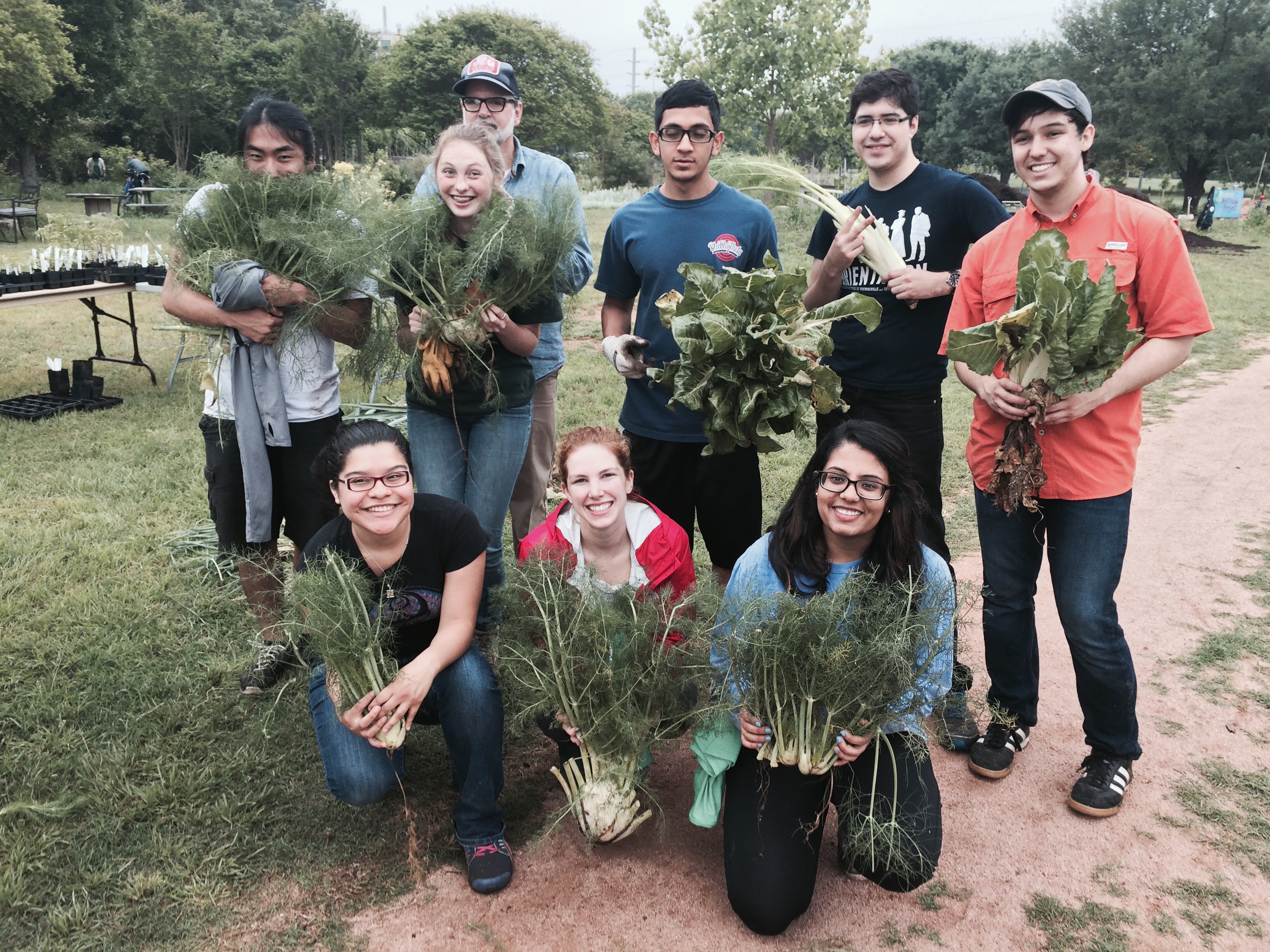
Many Hands Make Light Work- 45 Volunteers for Keep Austin Beautiful Clean Sweep Saturday, April 11,2015
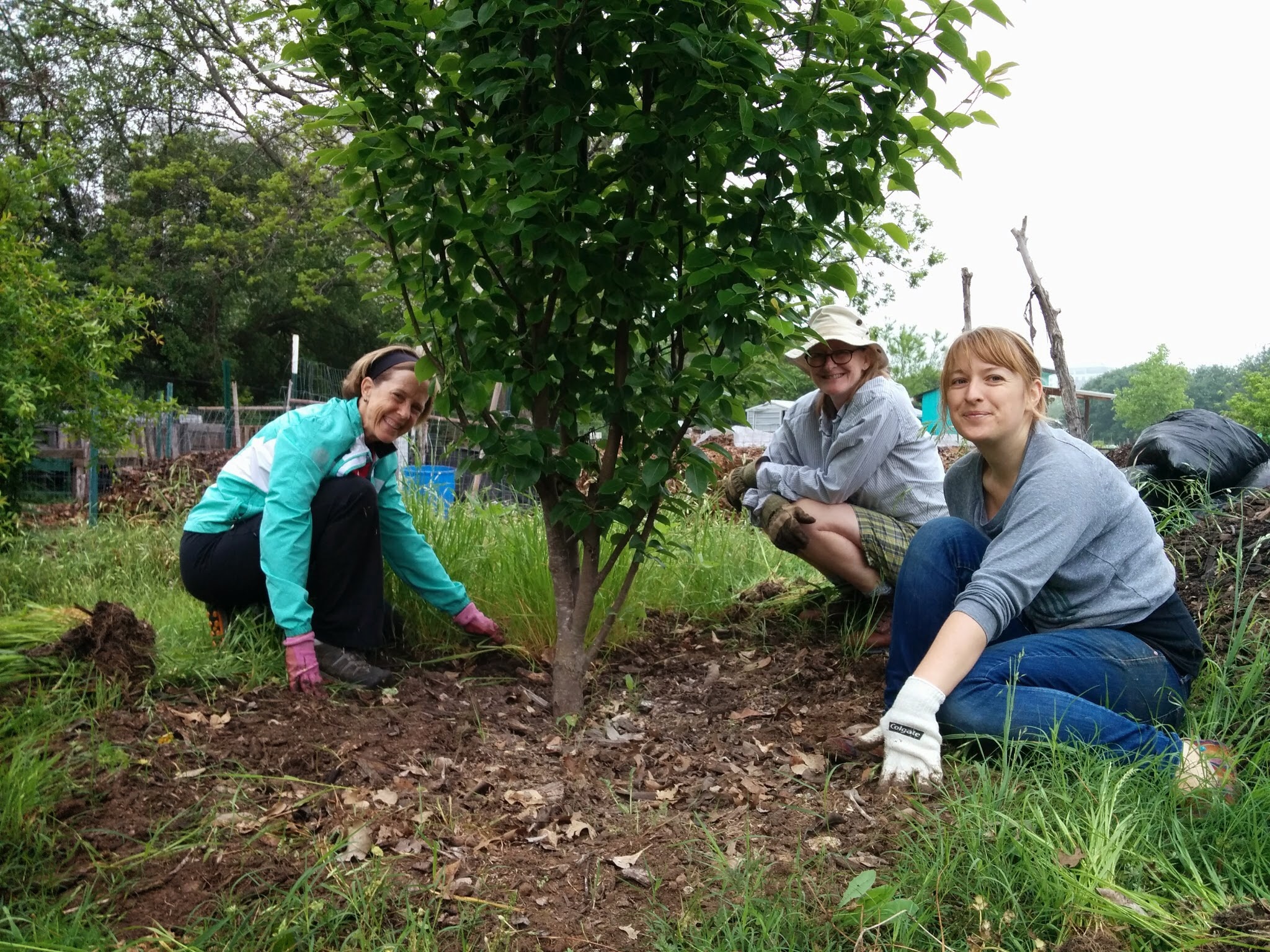
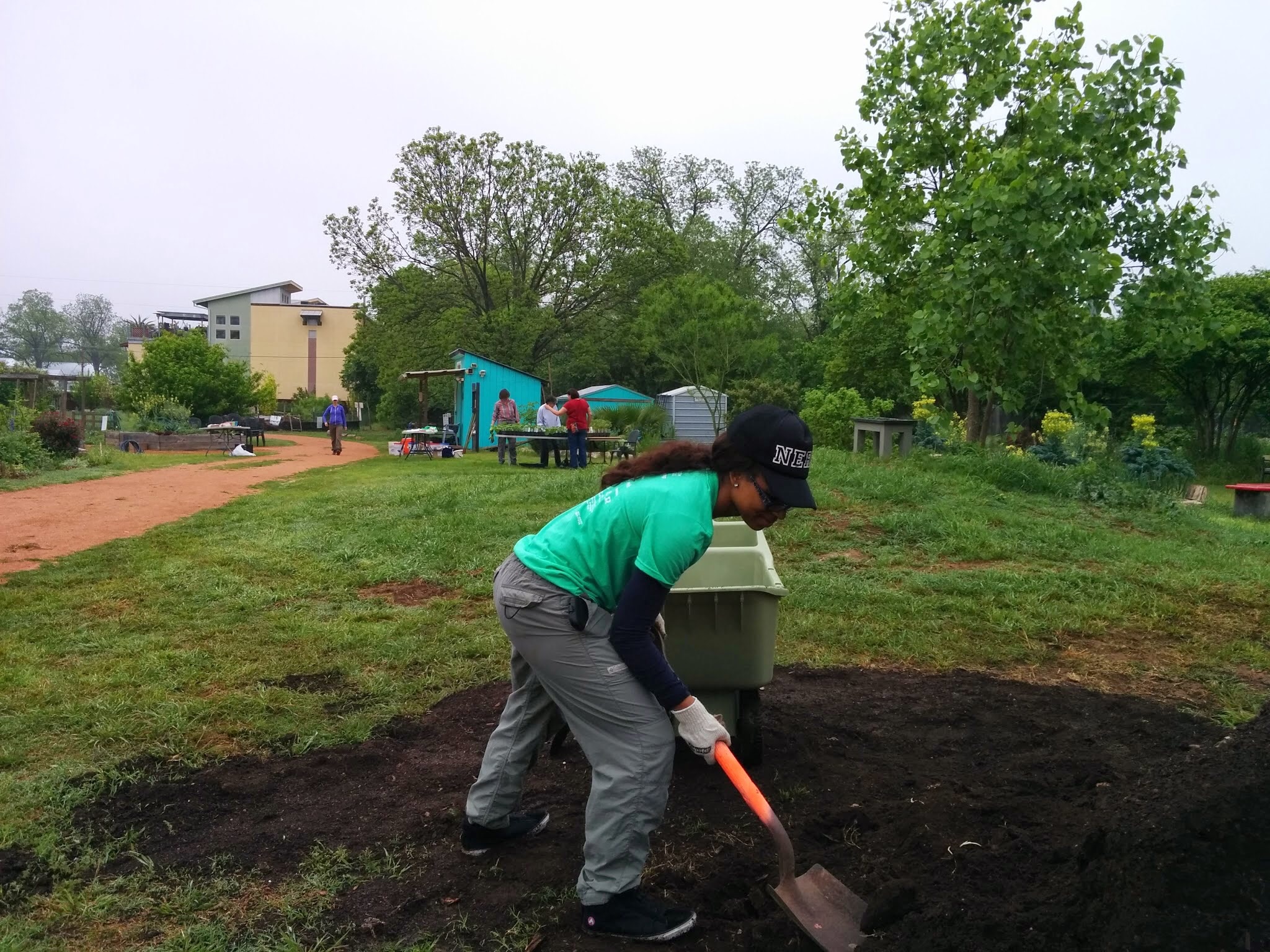
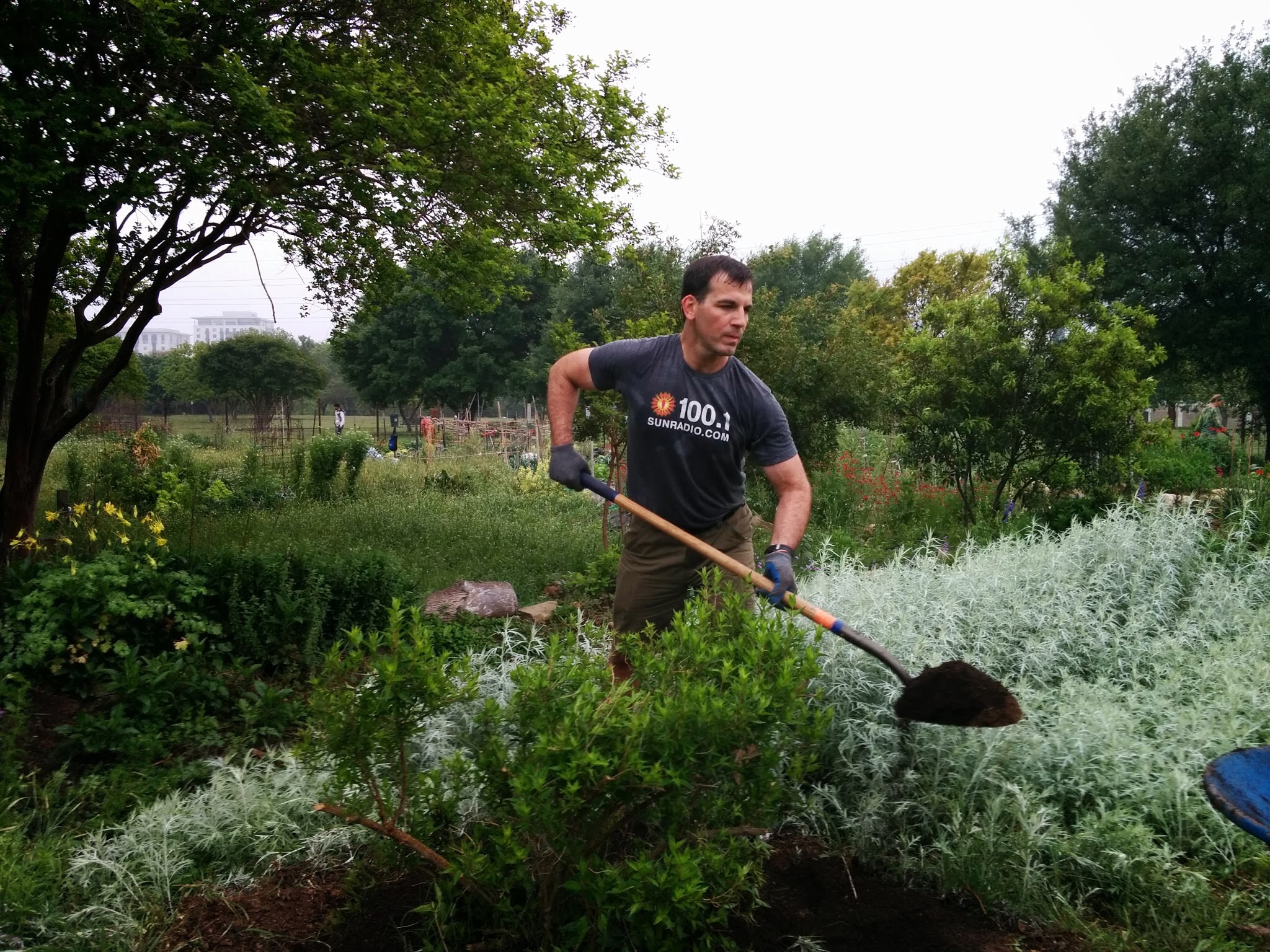
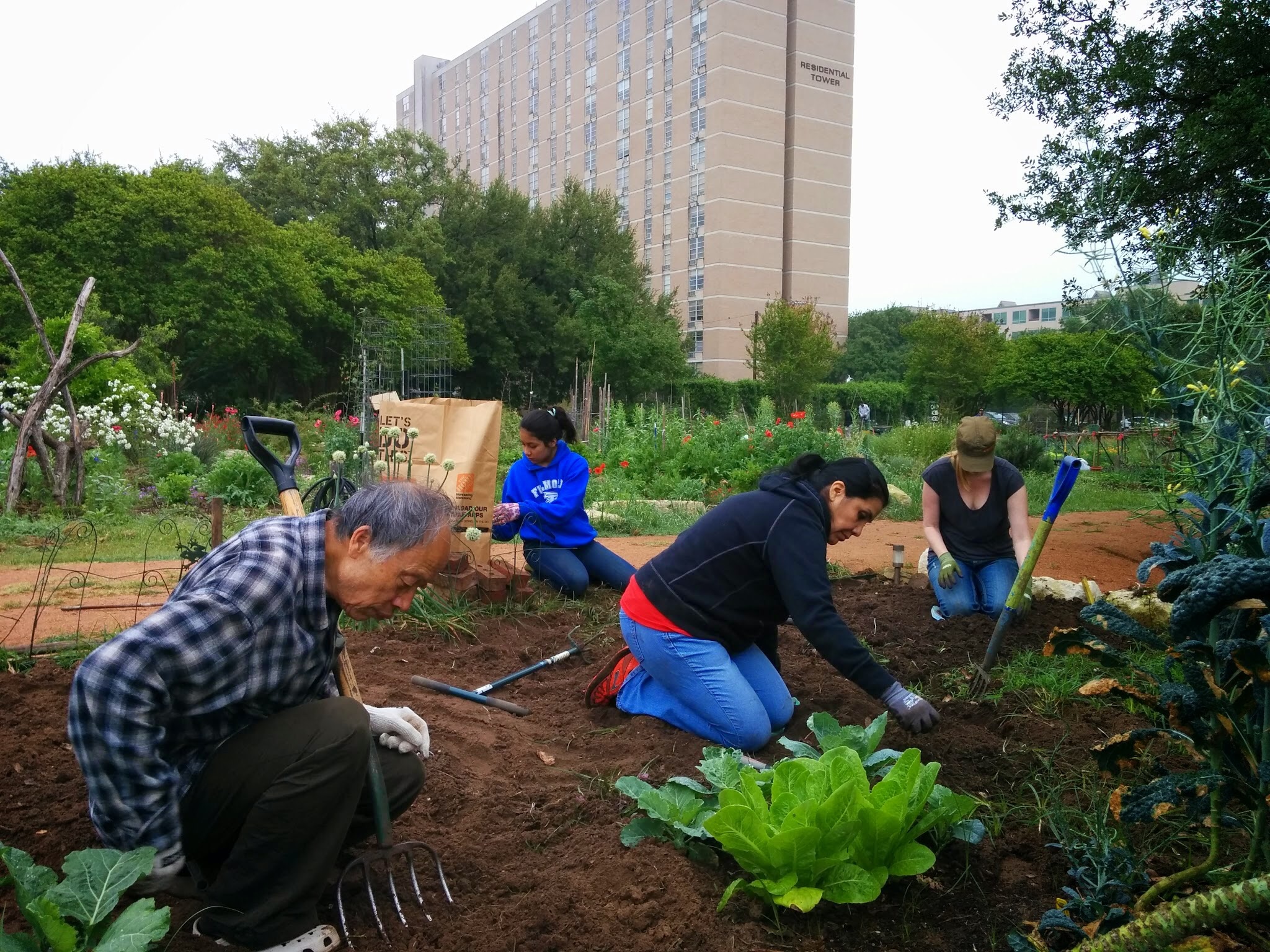
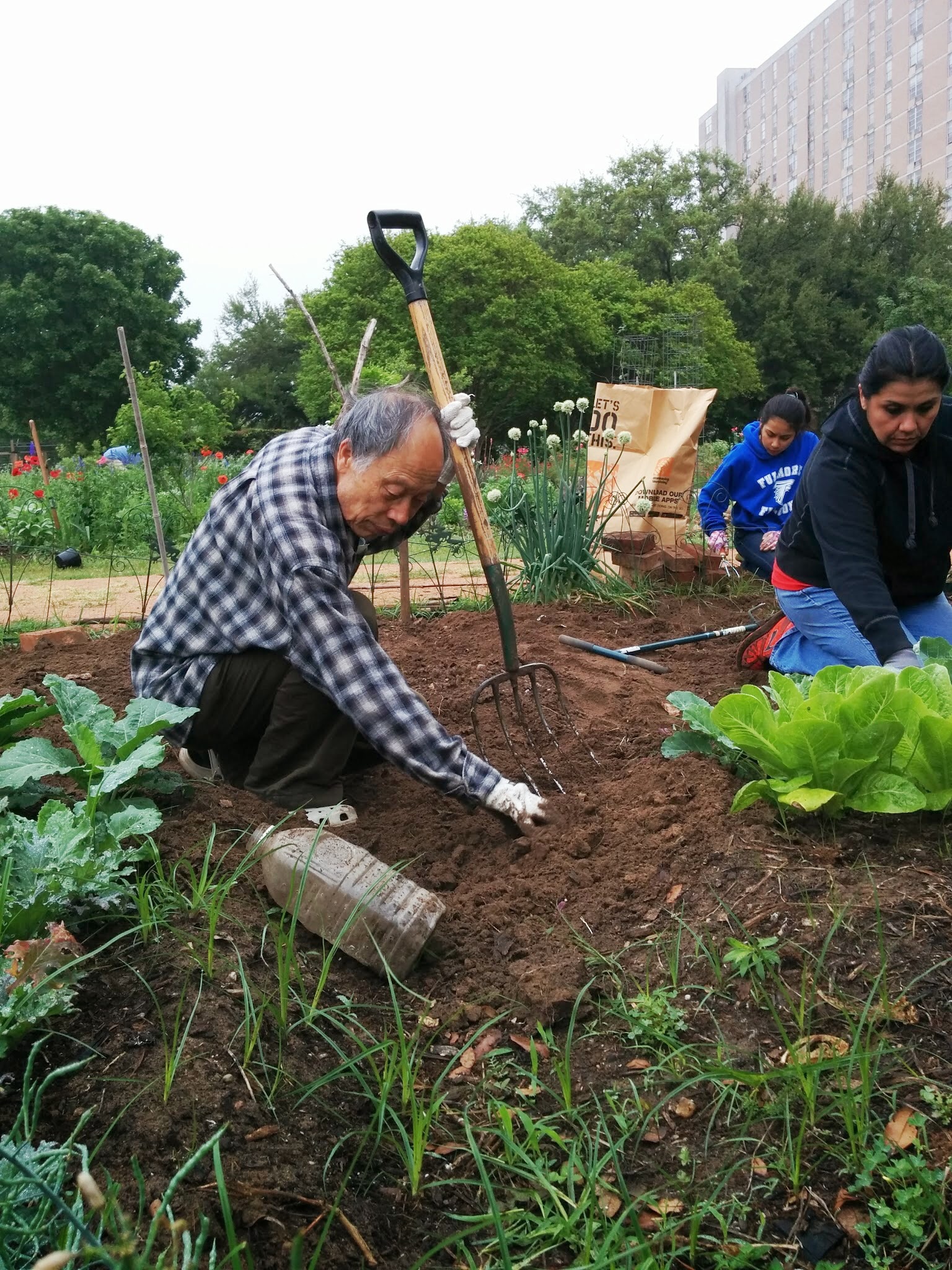

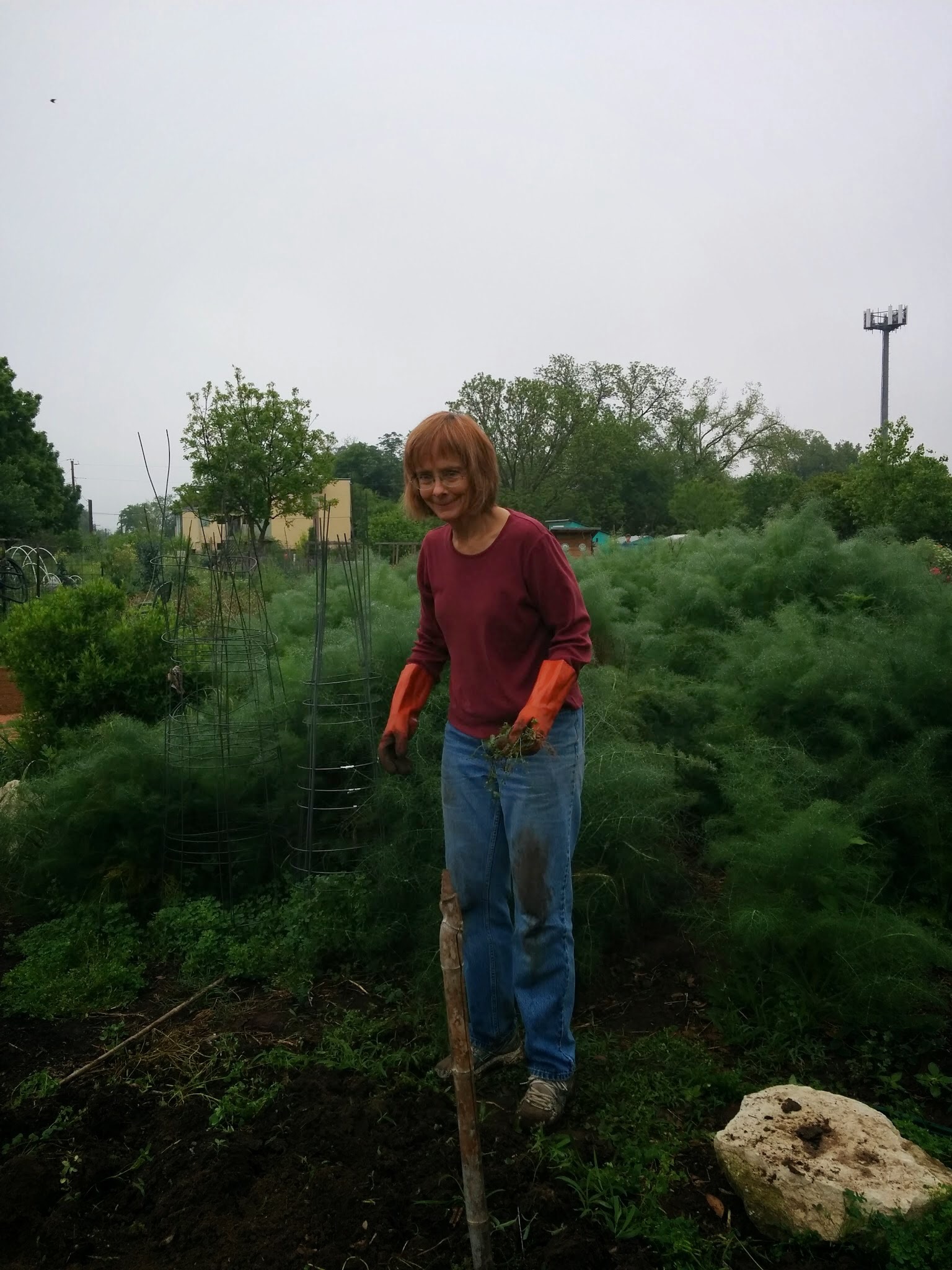
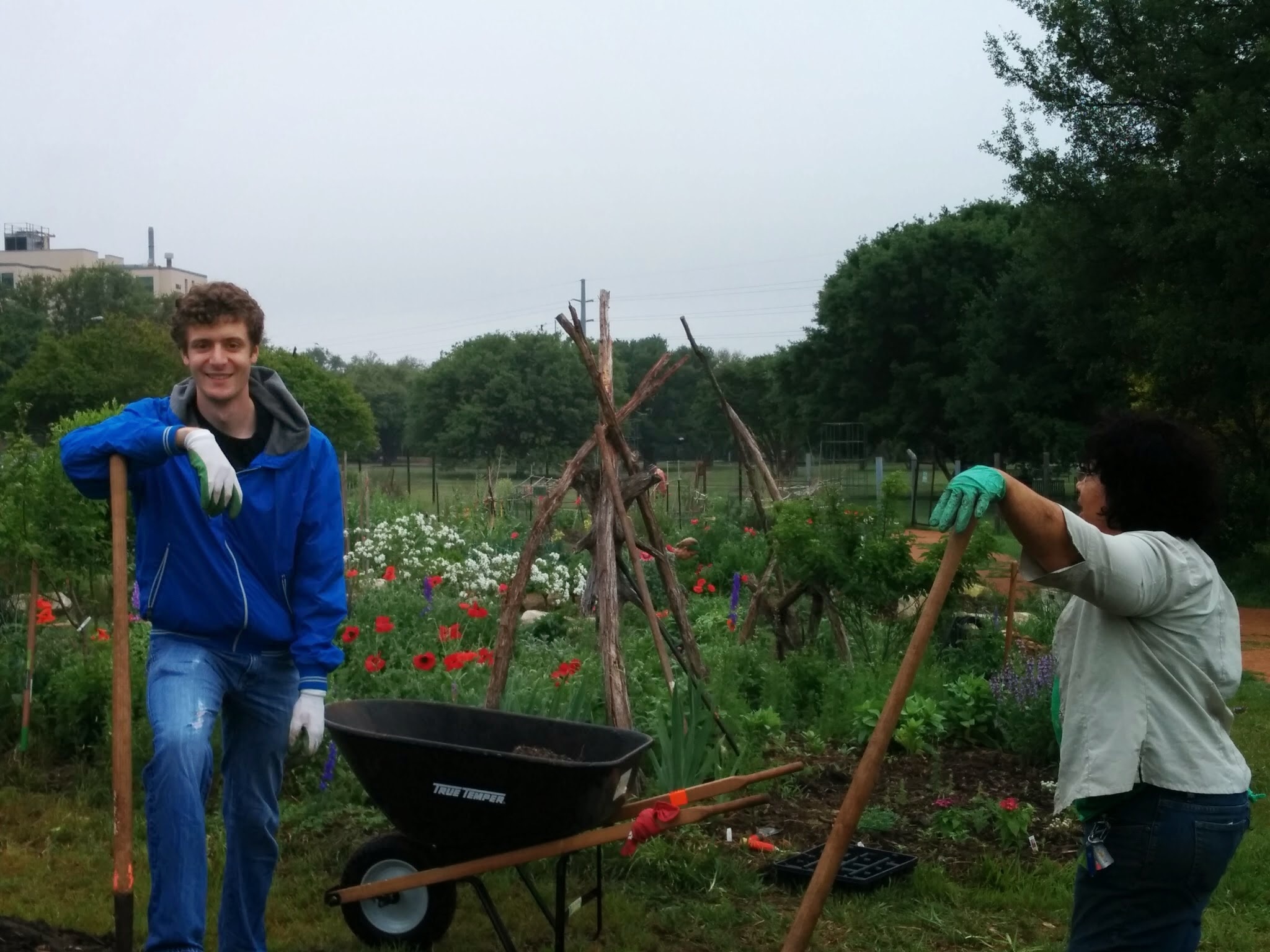
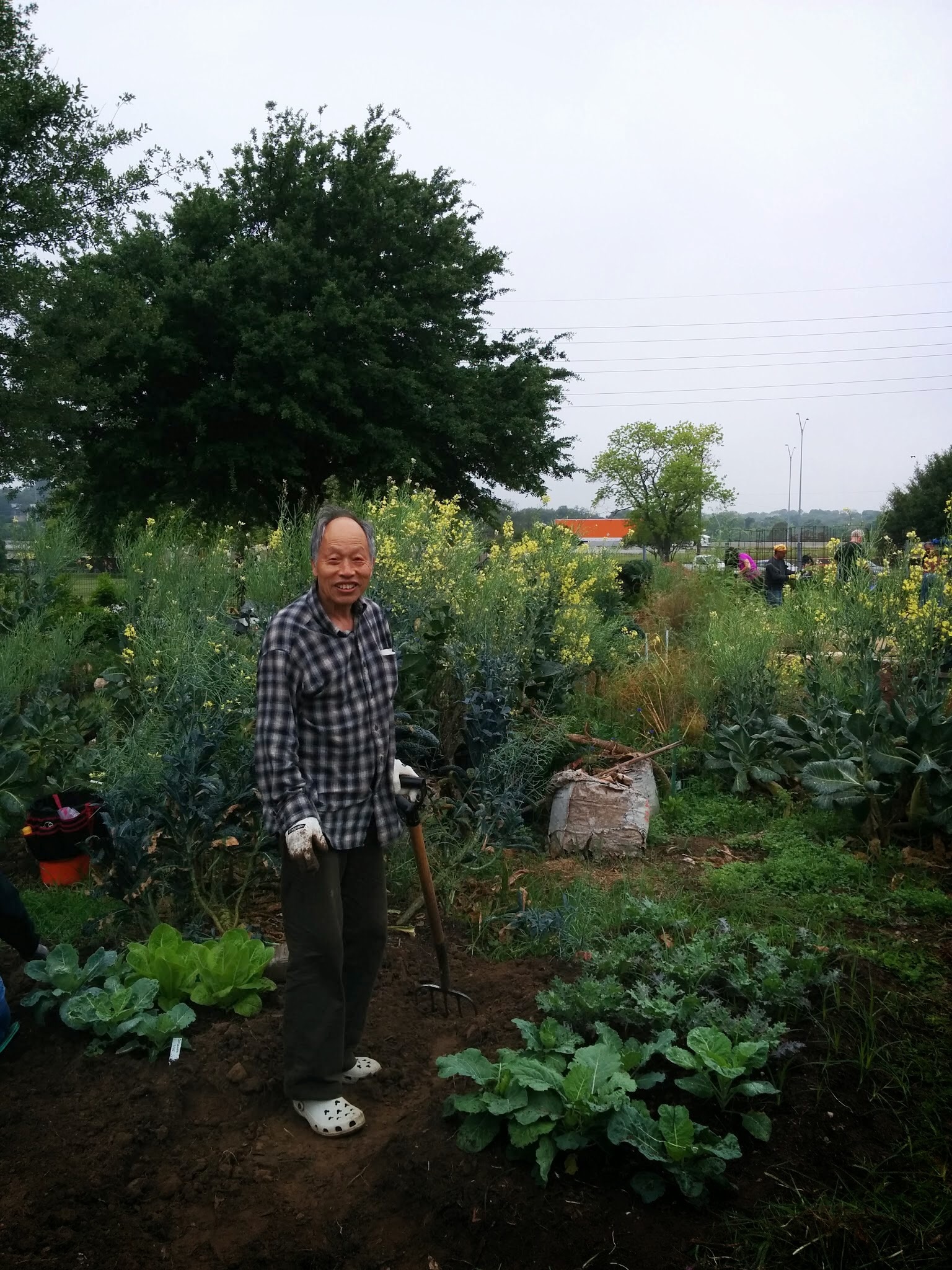
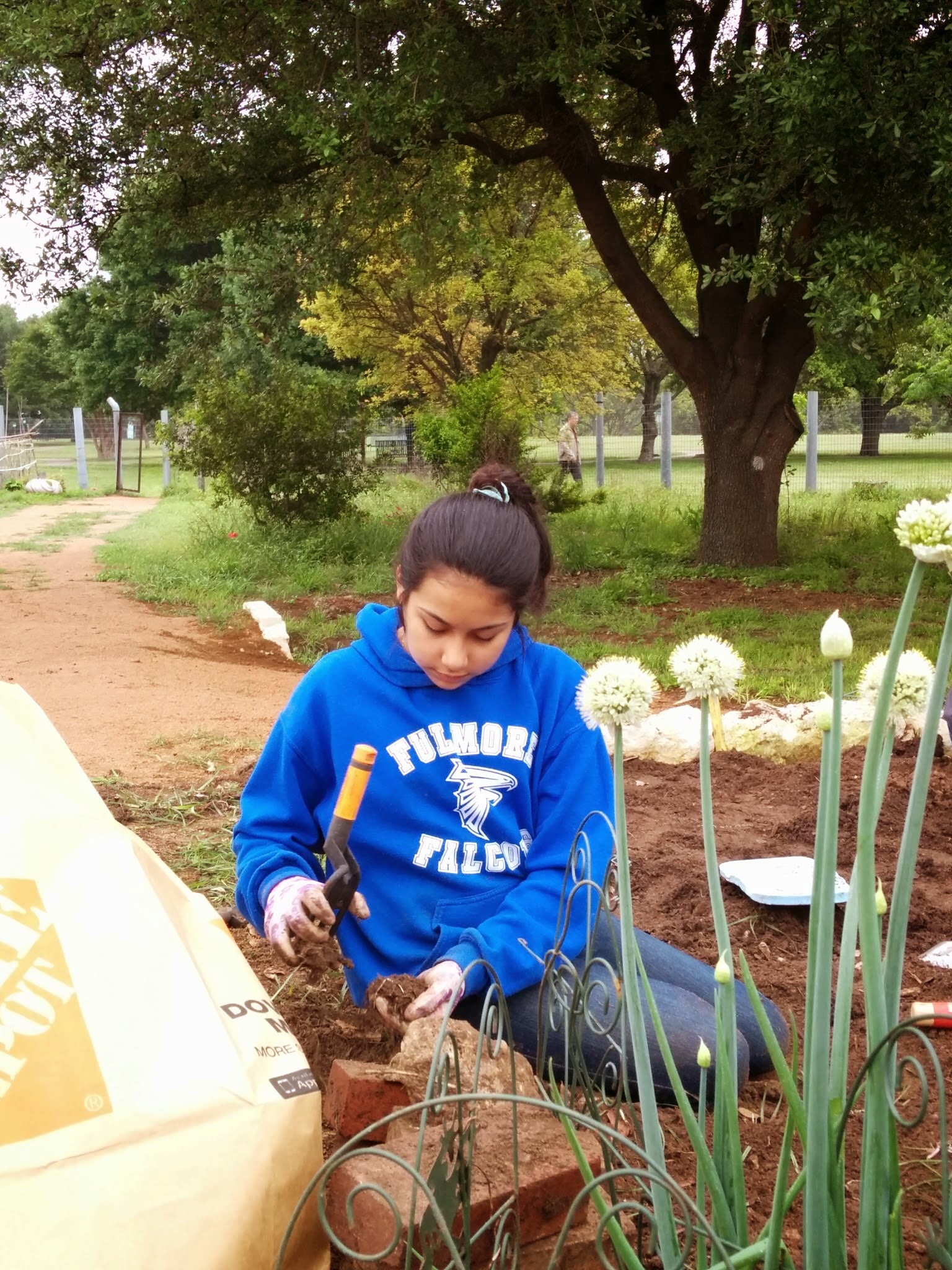
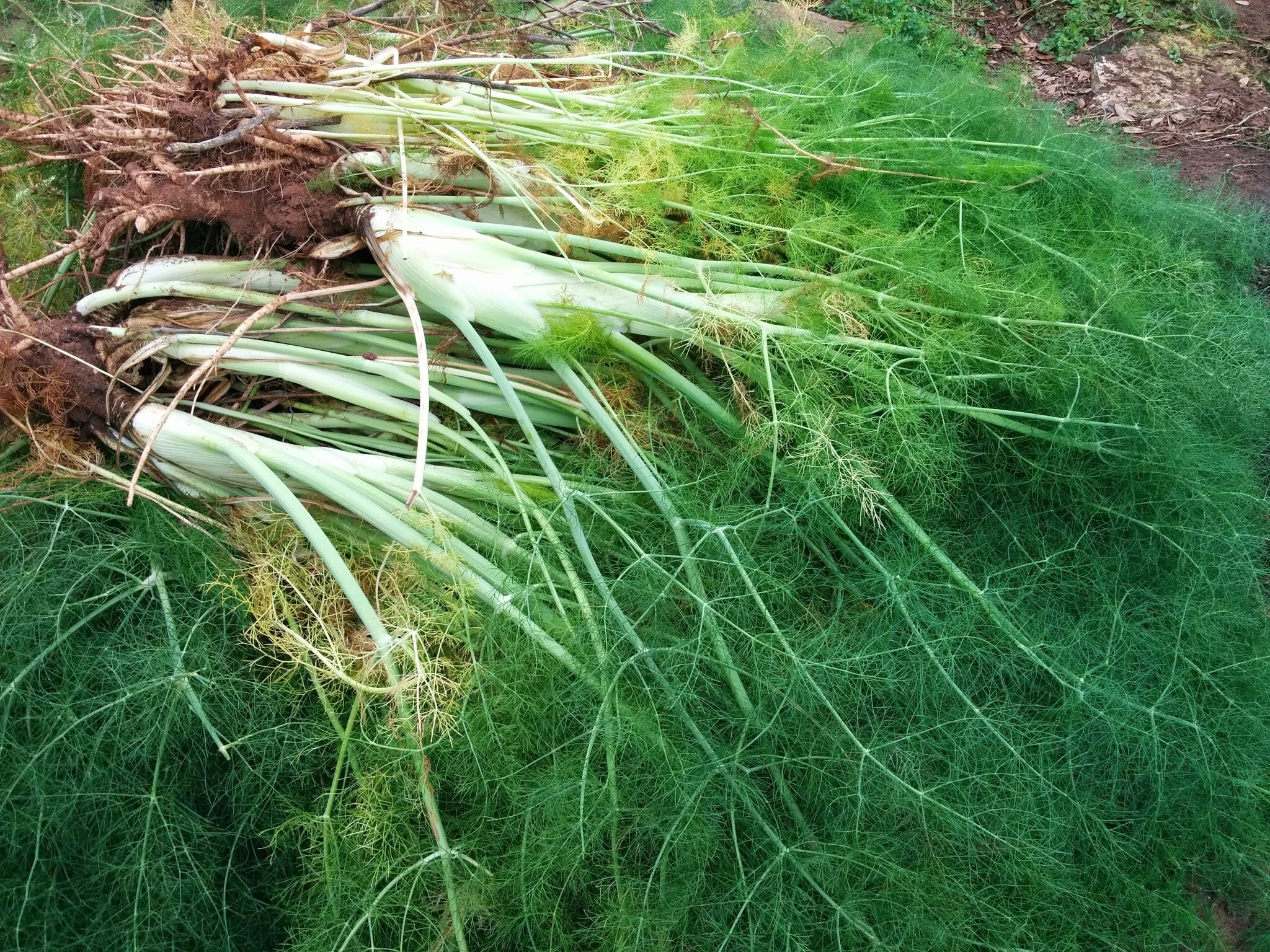
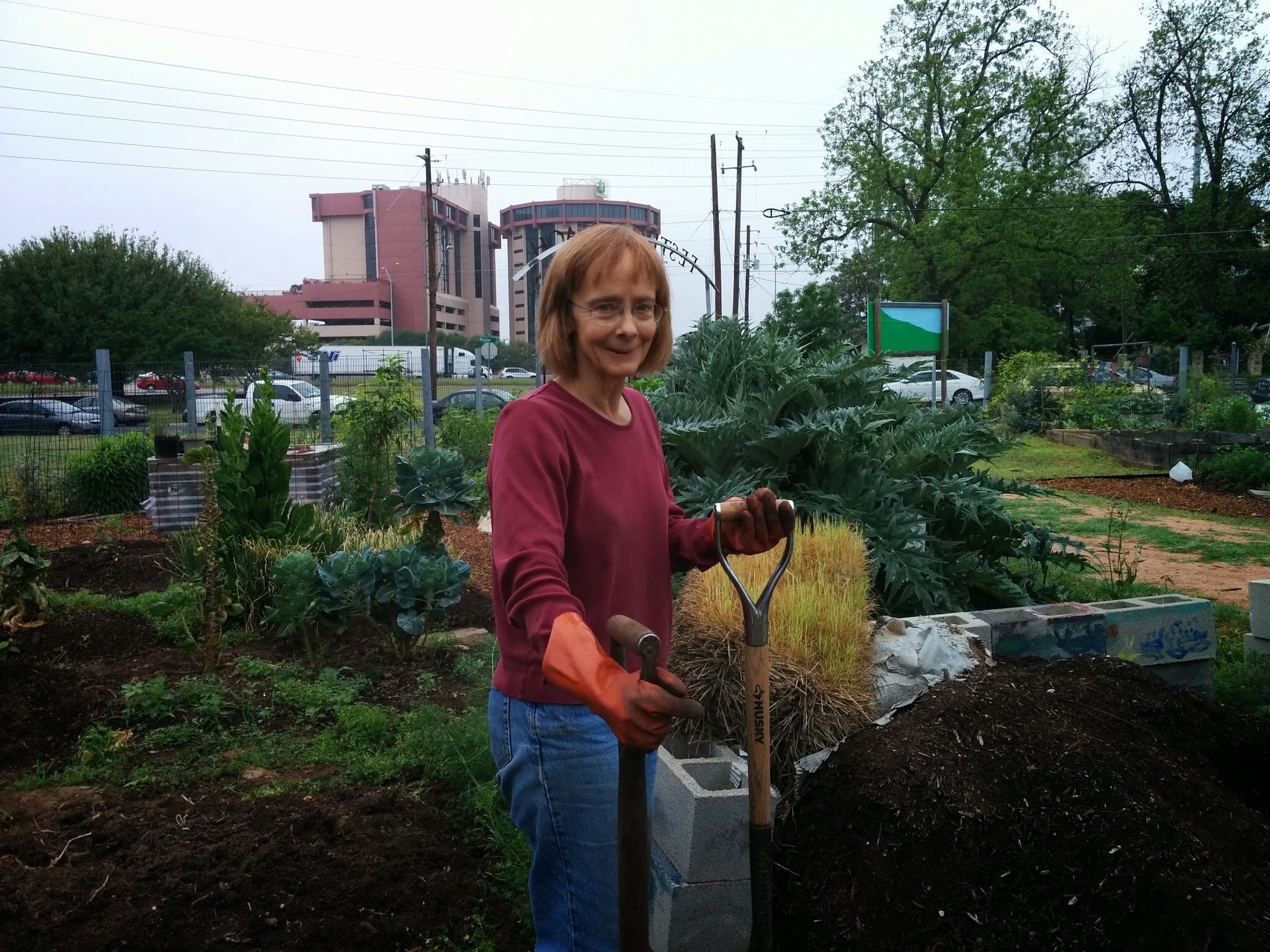
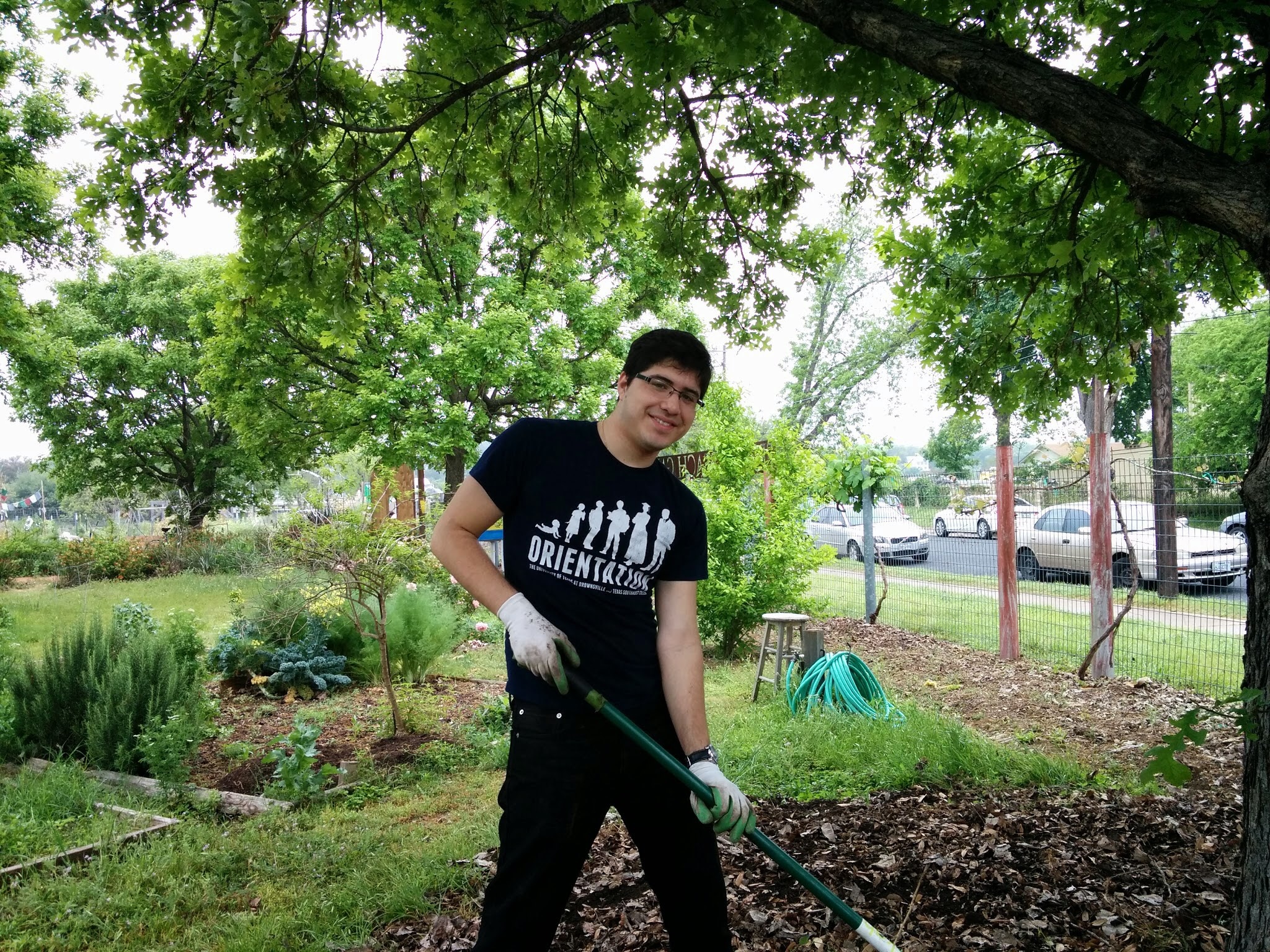
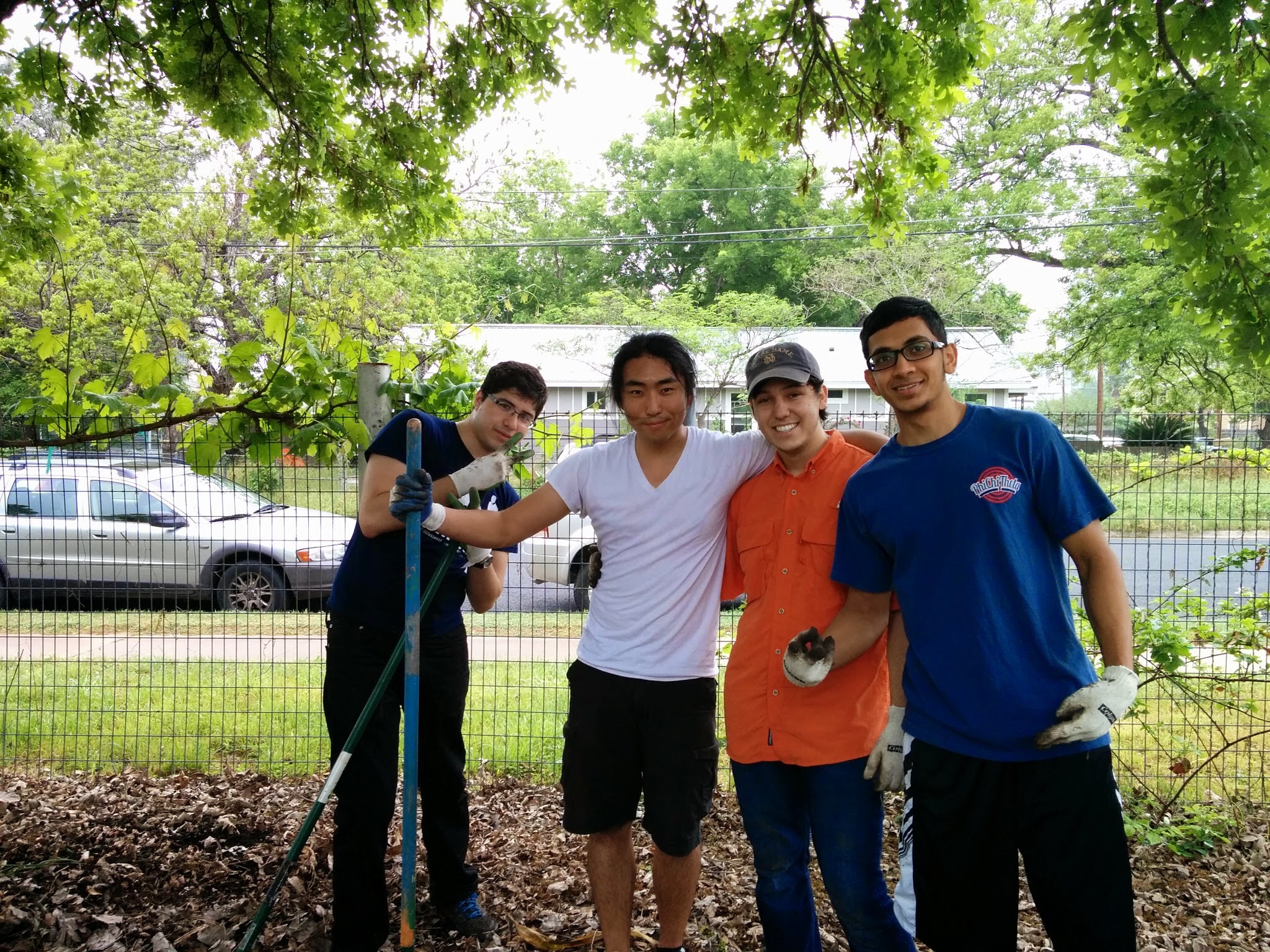
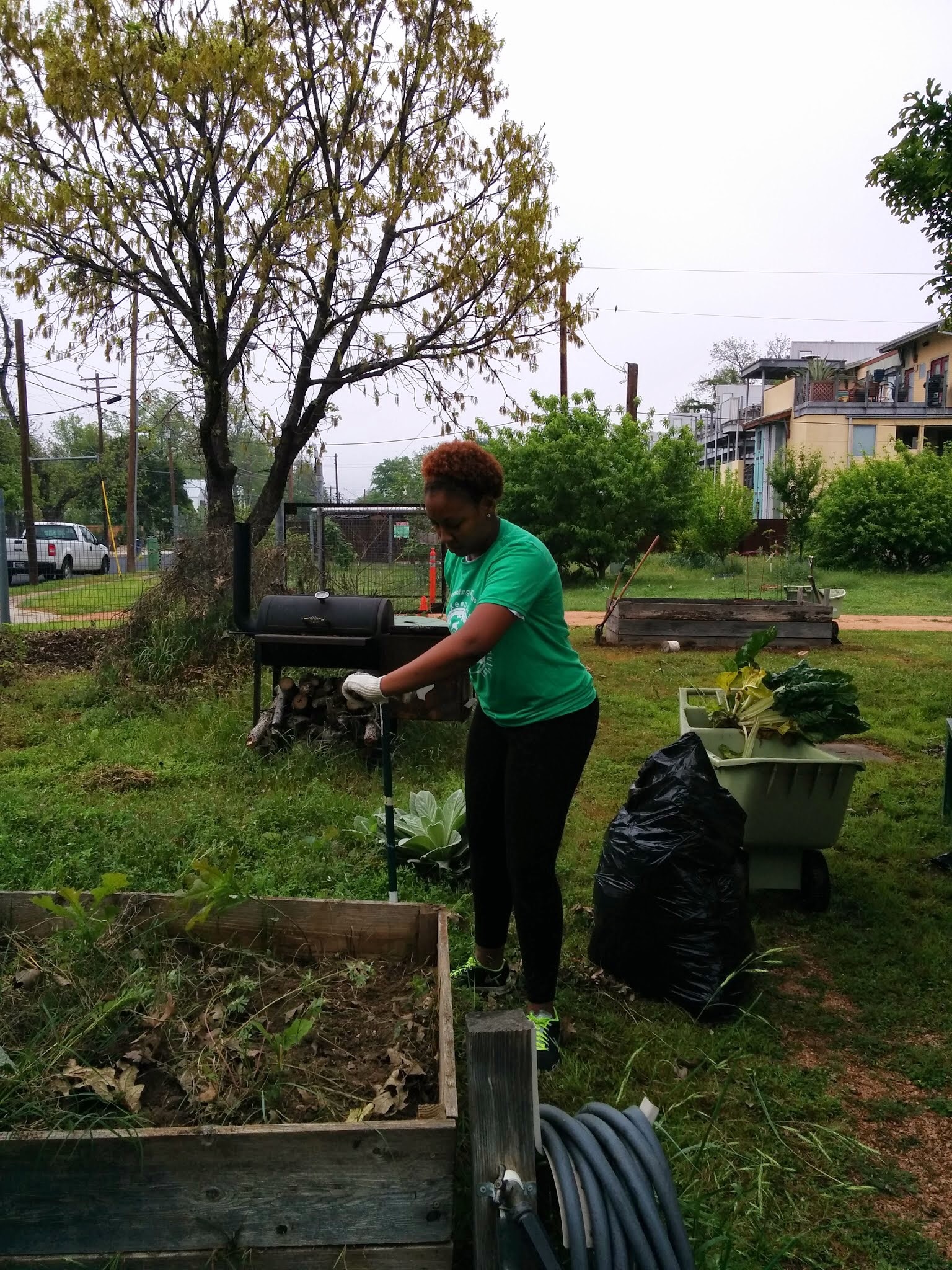
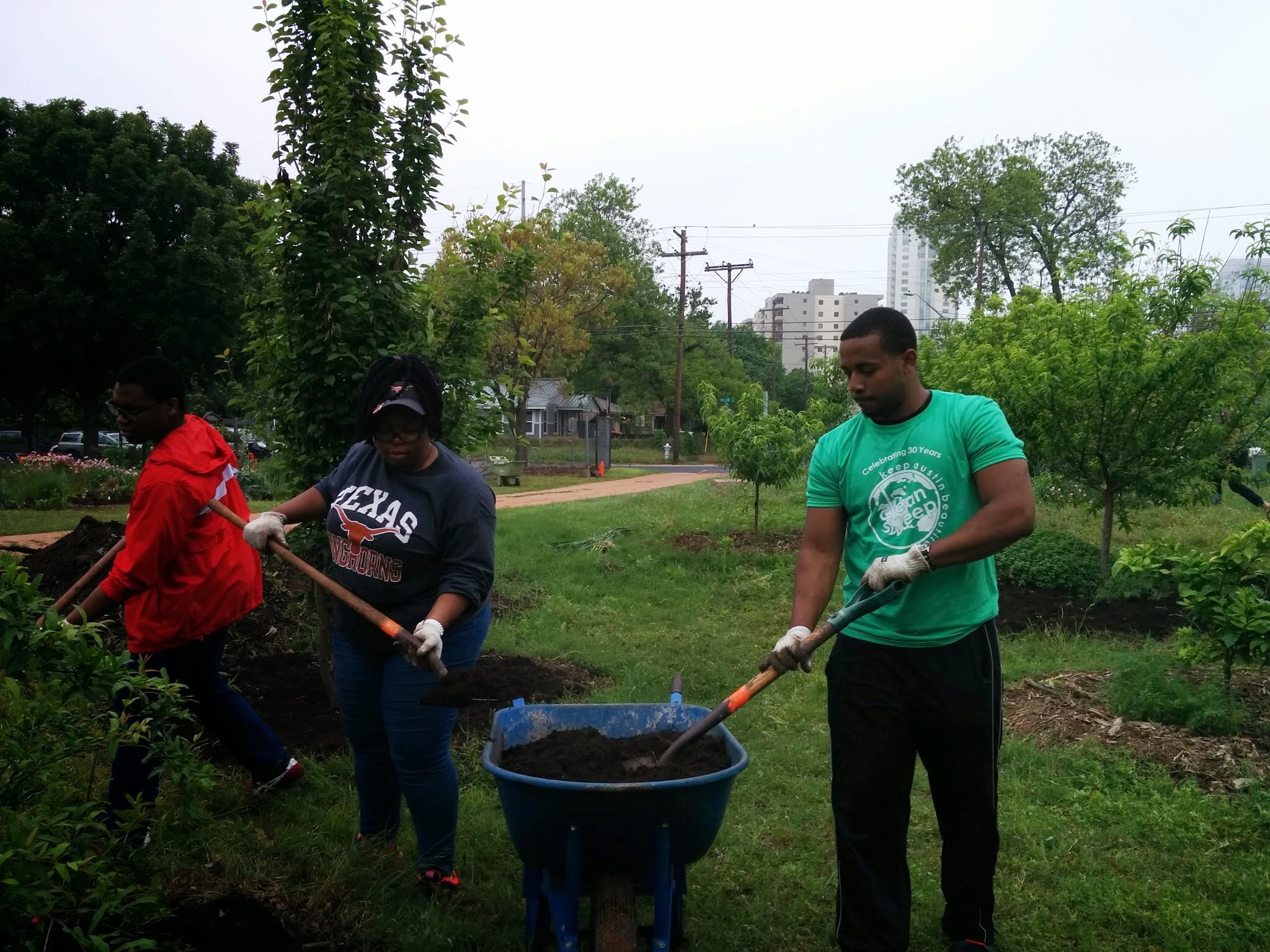
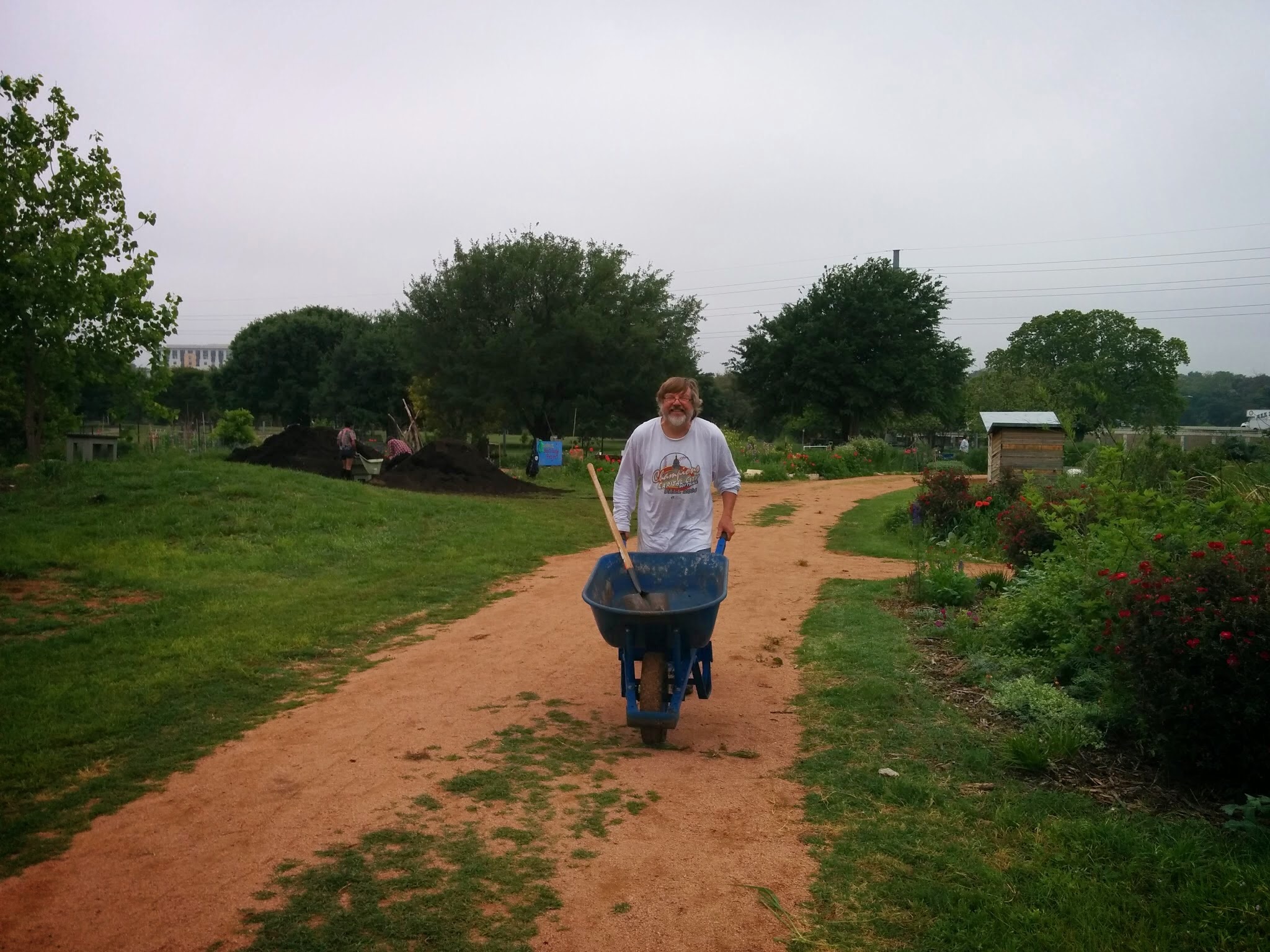
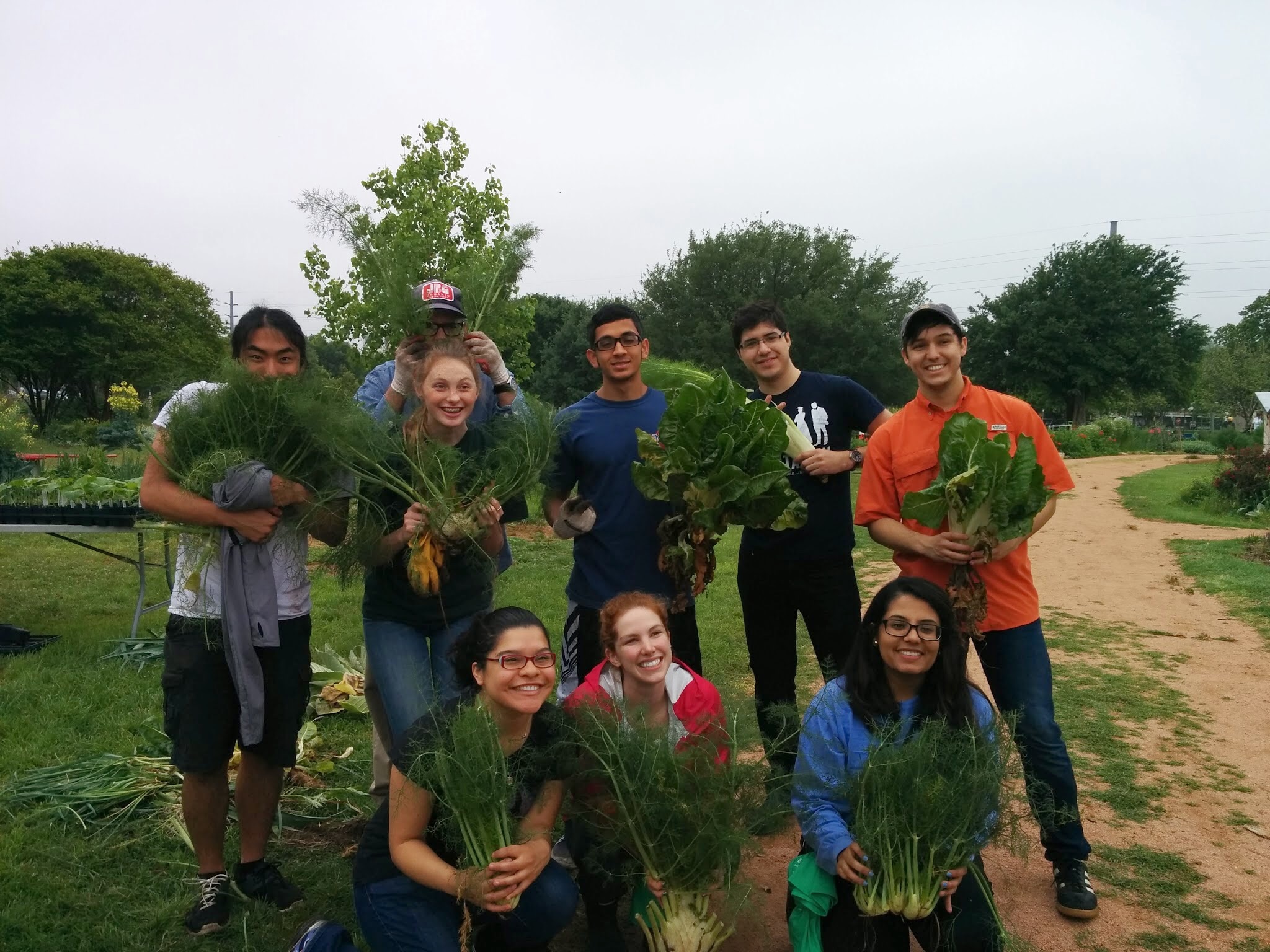
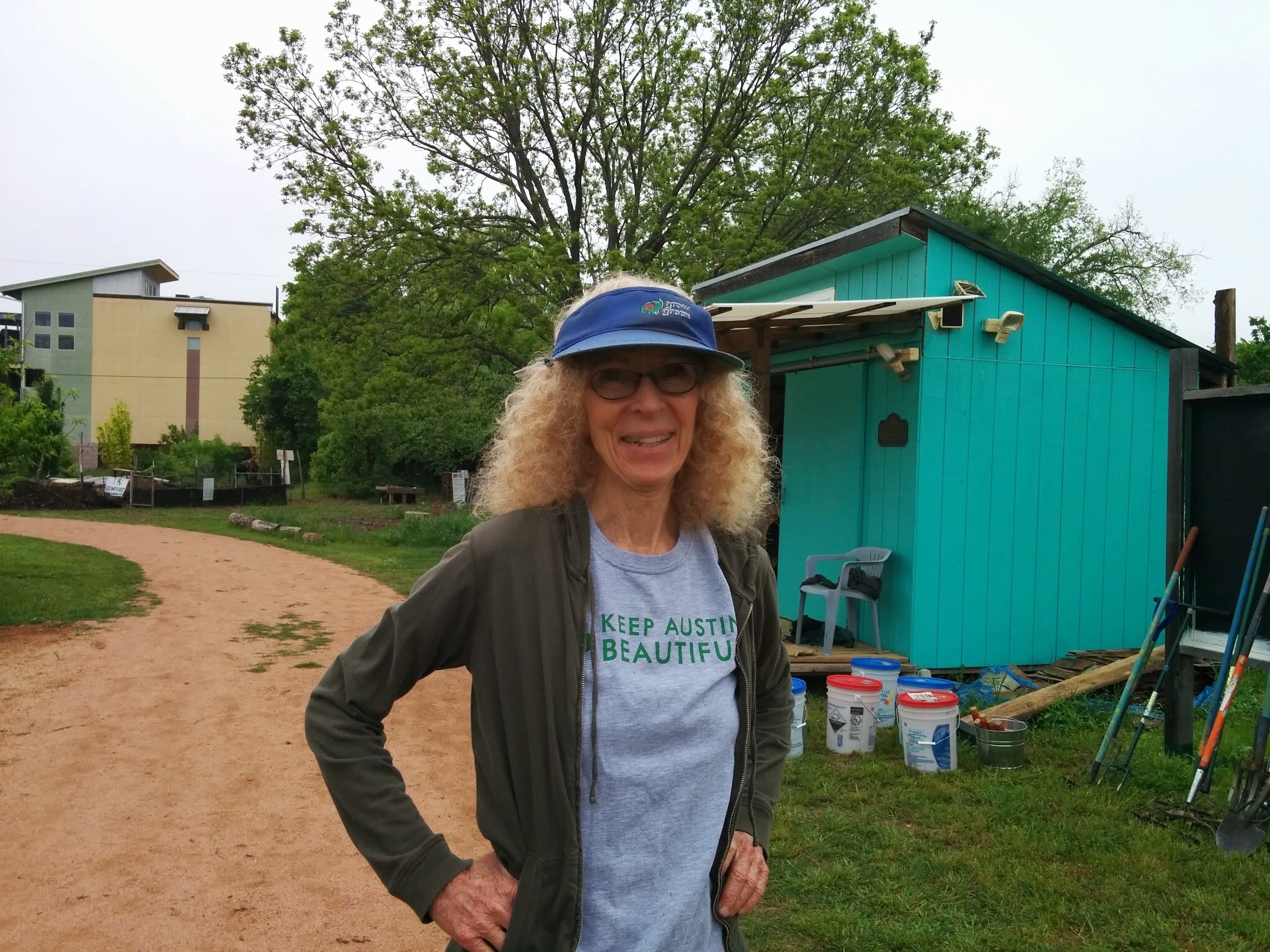
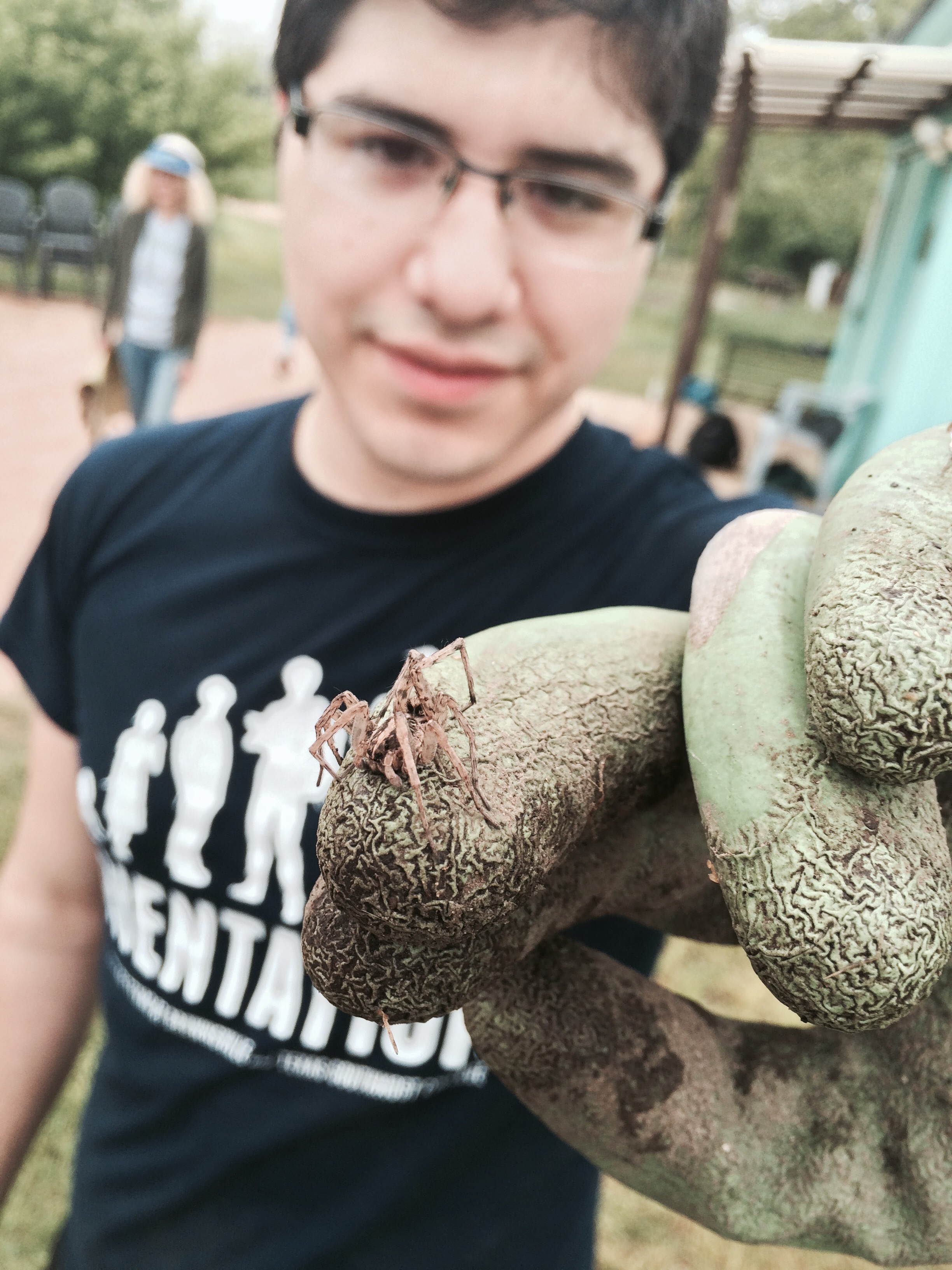
April 11, 2015 Work Day a Success, Spiders and All
Event: Organic Gardener’s Meeting Monday, April 13, 2015 at 6:30pm
2015 marks the 70th anniversary of Austin Organic Gardeners! Since 1945, our members have shared information about successfully raising vegetables and ornamentals without using harsh fertilizers that harm the soil and toxic pesticides that disturb the ecological balance.Monthly meetingsare held the second Monday of each month (except December) at the Zilker Botanical Gardens at 6:30 P.M.
The club’s philosophy is that human and animal health depends on the health of the soil that produces their food. Healthy soil, which is rich in organic matter, abounds with organisms that convert minerals in the soil into forms plants can use. The well-nourished plants growing in these soils are better able to defend themselves against attacks from insects, diseases, and other pests.
http://www.austinorganicgardeners.org/
April Meeting
Date: Monday, April 13, 2015
Agenda: Doors open at 6:30 for visiting and getting your gardening questions answered by our answer desk (look for the sign and the guys in big hats at the back of the room). Announcements and club business start at 7 followed by our program at 7:30
Location: Zilker Botanical Garden Center
Topic: Annelies Lottmann of Yard to Market Coop will present “Your garden can pay you back!” Whether you’re clearing out your beds and want an alternative to the compost pile, or are interested in learning how to turn your hobby into a thriving home business year round, this talk explores how to be a successful market gardener at any scale.
Mary K Kraemer
Event: April Workday – More Details – Saturday April 11, 2015 9-noon
Hi Everyone, Come on down to the April workday this Saturday (9am-12pm)! Garden is looking great and the pollen count will be taking the morning off just for us. We’ll be a site for the Keep Austin Beautiful CleanSweep. Please invite friends and neighbors to the workday and everyone can sign up here. Perks of signing up and coming to the workday include a volunteer party at Fiesta Gardens following the workday, free t-shirt, music, food, and more. Hope to see many of you there!
If you’ve got extra digging forks or other weeding tools please bring them as we anticipate being short. Also, if you have extra seeds or plants to swap with other gardeners feel free to bring them as well…we’ll have a table set up for sharing.
A list of the work day tasks is provided below:
Accessible Beds (Section A and B) – Weed and level granite Bulletin board – complete construction if possible; at least paint over primer Butterfly garden in B – Weed and mulch Communal Garden – Weed, mulch, plant vegetable transplants Compost – Pull weeds out of brush compost pile near fence Rain garden/Swale – Weed and mulch swale, weed bottom of rain garden, mulch perimeter of rain garden, plant a few native plants Trees – Weed out tall grass, add leaves and mulch to cover the root zone Perennial bed near A by the road – Weed (pull Johnson grass and Bermuda grass only!) Community Herb Garden – Pull weeds and mulch
Thanks, Outreach Team
Event: April Workday/Keep Austin Beautiful’s Clean Sweep – Saturday, April 11 9am-12noon
Hi Festival Beach Gardeners and Volunteers-
Join Festival Beach Community Garden, Keep Austin Beautiful and fellow Austinites for Clean Sweep – Austin’s annual city-wide service day on Saturday April 11th where over 4,000 volunteers join together on an ordinary Saturday morning to make an extraordinary difference. After the network of cleanups volunteers are invited to a FREE volunteer party featuring live music, free lunch, door prizes, and fun environmental kids’ activities. Cleanup: 9AM-11AM. Volunteer Party: 11:00AM-1:30PM. Register at http://www.keepaustinbeautiful.org/CleanSweep and sign up for the Festival Beach Community Garden Clean up and Restoration volunteer opportunity.
Thanks and happy gardening!
Katie Falgoust Volunteer and Workday Coordinator
 FESTIVAL BEACH COMMUNITY GARDEN